
More Than a Food Court: How Miami’s Food Halls Became Neighborhood Infrastructure
Omar Hussain on why the food halls that survived in Miami were built as neighborhood infrastructure, not tourist attractions. At


Omar Hussain on why the food halls that survived in Miami were built as neighborhood infrastructure, not tourist attractions. At
Case Study: Renard v. Dade County (Fla. 1972) In land-use law, “standing” determines who gets a seat at the
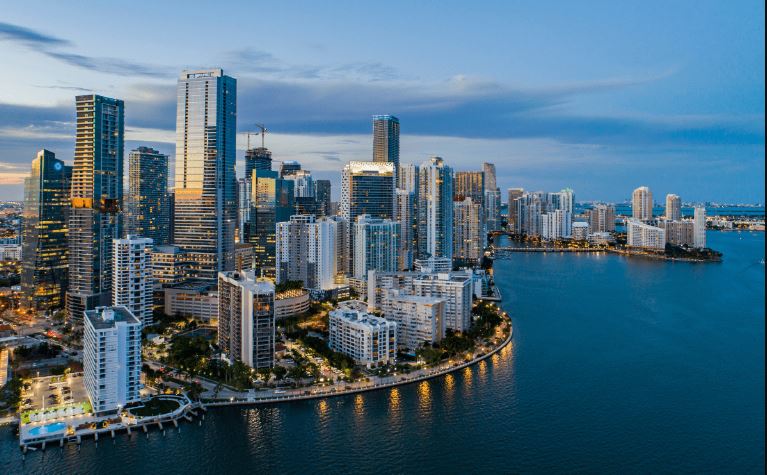
For much of its modern history, Miami was defined by tourism, real estate, and international trade. It was a gateway

How Miami is solidifying its role as the United States’ premier gateway to Latin America For decades, Miami has
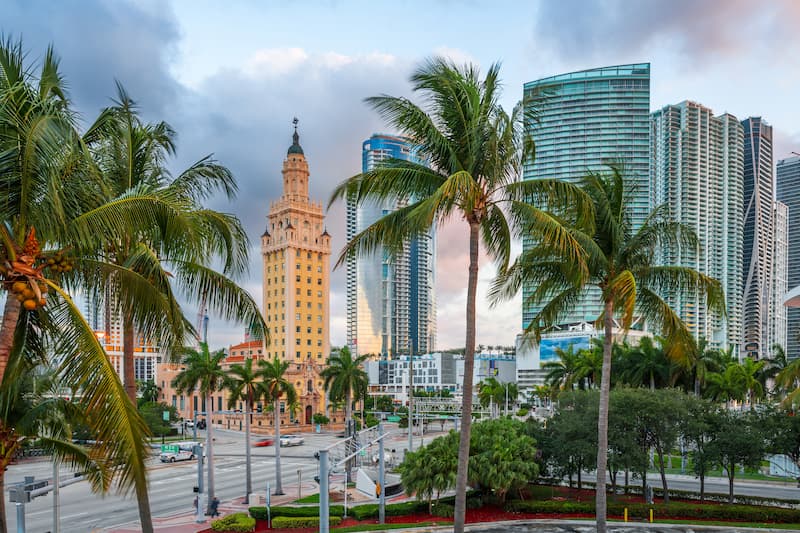
A City Rebuilt Around the Modern Traveler Miami has always been a destination. What’s changing is why people come—and

Cities rarely reinvent themselves overnight. Miami’s latest transformation—from a tourism and real-estate powerhouse into a rising technology hub—has unfolded quickly

Miami has long marketed itself through spectacle: cruise ships nudging into port, glass towers rising along Biscayne Bay, container yards

On certain autumn mornings in Miami Beach, the water does not wait for rain. It rises instead through storm

Miami has always preferred spectacle to subtlety. It is a city of reflective glass and improbable skylines, of pastel art

Miami has always been a city in motion. Cargo ships idle at its port, jets descend in steady formation over